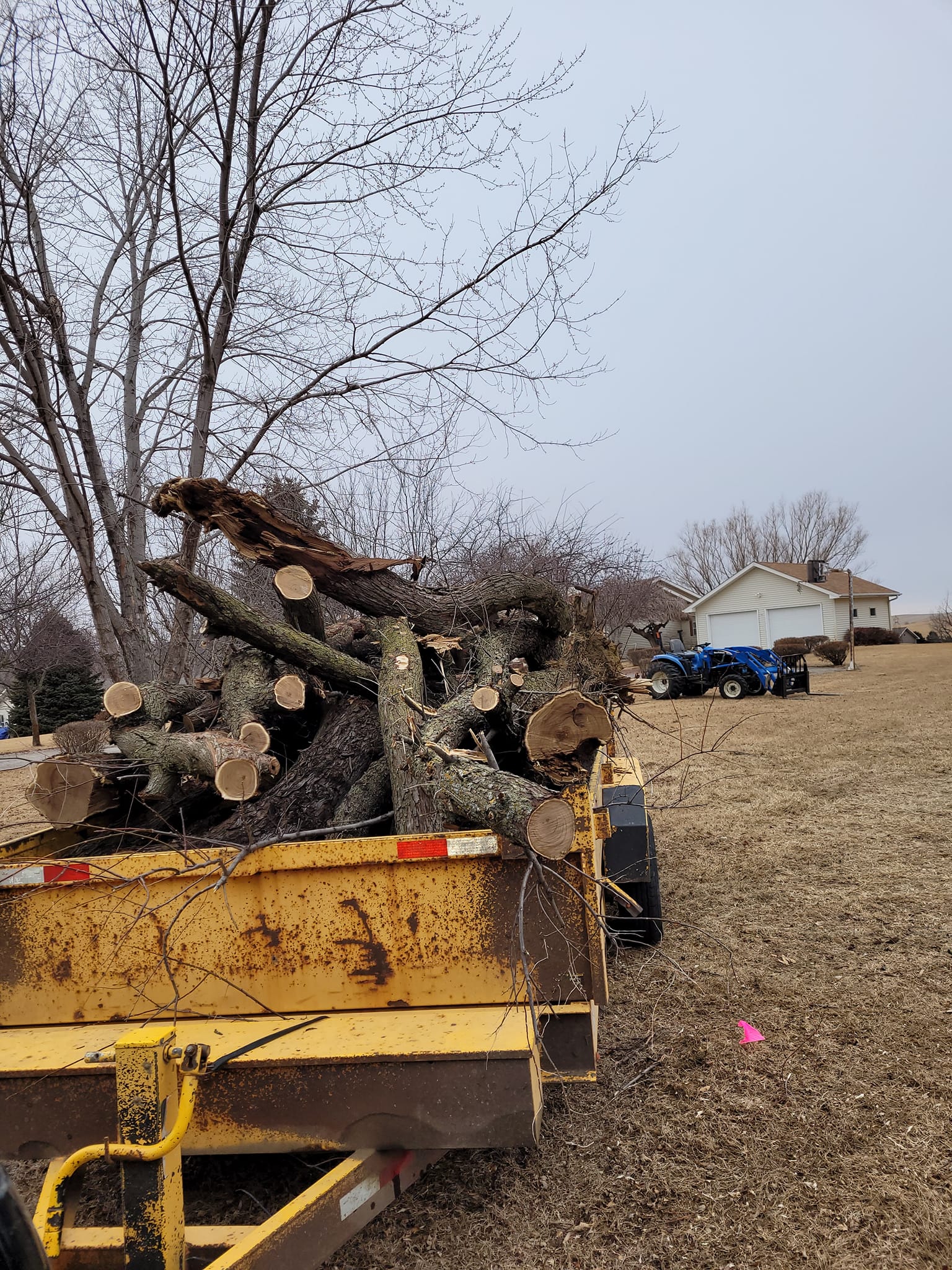
The Art and Science of Pruning: Enhancing Tree Health and Beauty Jan 14, 2026
The primary goal of pruning is to remove dead, diseased, or overgrown branches, which in turn supports the overall health of the tree. Understanding the timing and method of pruning is essential to prevent damage and encourage the tree's natural growth pattern. It is important to consider the specific needs of each tree species, as improper pruning can lead to unintended consequences such as vulnerability to pests and disease.
To begin, it's essential to recognize the signs that your trees may need pruning. Look for broken or dead branches, which can pose safety risks during storms or high winds. Overcrowded branches may compete for sunlight and nutrients, while disease-infected limbs can affect the entire tree if not promptly removed. By identifying these indicators, you can ensure that your tree pruning efforts are timely and effective.
The science of pruning lies in understanding how trees respond to branch removal. Each cut should be made with precision to promote rapid healing while minimizing stress on the tree. Strategically pruning away branches can improve airflow and sunlight reach, vital components that contribute to the tree’s healthy growth. Leaving the branch collar intact is crucial; this area is responsible for forming a protective layer that helps in healing the cut, warding off pests and disease.
In addition to health benefits, pruning also offers aesthetic advantages. Carefully shaping trees can dramatically enhance the overall appearance of your garden, creating a landscape that is both attractive and well-balanced. Artistic pruning techniques like topiary and espaliering transform trees into beautiful living sculptures, adding focal points to your property that captivate the eye.
However, it is important to note that not all pruning should be done at once. Different species have distinct growth patterns and needs, which can dictate the best time of year for pruning activities. For instance, flowering trees often benefit from post-bloom pruning, as this helps to preserve and encourage the next season’s blossoms. Evergreen trees typically require less frequent maintenance, often needing only the removal of damaged or diseased limbs.
Ending your pruning tasks with a critical evaluation of your objectives ensures that all goals are met and that your trees will continue to thrive. At Uprooted LLC, we offer expert advice and professional services to help you achieve the most beneficial pruning approach tailored to your landscape’s specific needs.
In conclusion, understanding the art and science of pruning goes beyond simply cutting branches. It involves a strategic approach to enhance the health and beauty of your trees while safeguarding against future issues. Whether you choose to learn the techniques yourself or rely on professional tree services like Uprooted LLC, the benefits of proper tree pruning are both visually and physically rewarding. By prioritizing sophisticated pruning practices, you can cultivate an outdoor space that is not only sustainable but also continually flourishing.
/filters:no_upscale()/filters:format(webp)/media/8a1f1f82-9082-440e-8fe3-bebcb43649ae.jpeg)
/filters:no_upscale()/filters:format(webp)/media/4e9f061b-4086-4063-b336-e781d0afab81.jpeg)